

Wall ties are a hidden but essential part of many UK homes.
Most homeowners are unaware of them until problems such as cracking brickwork or structural movement appear.
Understanding what wall ties are, how they work, and what happens when they fail can help you spot issues early and protect the long-term stability of your property.
What Is a Wall Tie?
A wall tie is a metal component used in cavity wall construction to connect the inner and outer leaves of brickwork. Its role is to allow the two walls to act together structurally while still maintaining a cavity between them.
In most cavity wall properties, wall ties are installed horizontally at regular intervals and embedded into the mortar joints of both the inner and outer walls.
They provide:
- Lateral stability
- Resistance to wind loads
- Structural connection between wall leaves
Without wall ties, cavity walls would be unstable and prone to movement.
Why Are Wall Ties Necessary?
Cavity walls are designed with a gap between the inner and outer walls to prevent moisture from passing through. While this improves weather resistance, it also means the walls need mechanical fixing to keep them aligned.
Wall ties allow:
- Structural strength without solid walls
- Controlled movement due to thermal expansion
- Protection against wind pressure on external walls
They play a vital role in the overall performance of the building.
What Are Wall Ties Made From?
The material used for wall ties has changed over time.
Older Wall Ties
Many properties built between the 1920s and 1980s used mild steel wall ties. While common at the time, these ties are prone to corrosion when exposed to moisture inside the cavity.
As mild steel corrodes, it expands. This expansion places pressure on the surrounding mortar and brickwork, often leading to cracking.
Modern Wall Ties
Modern wall ties are typically made from stainless steel or helical stainless steel systems. These materials are far more resistant to corrosion and are designed to provide long-term structural support.
What Happens When Wall Ties Fail?
When wall ties corrode or fail, the outer wall can begin to move independently from the inner wall. This movement often causes visible damage.
Common consequences include:
- Horizontal cracking along mortar joints
- Stepped cracking near windows and doors
- Bulging or bowing external walls
- Increased risk of water penetration
Wall tie failure tends to worsen over time if left untreated.
Common Causes of Wall Tie Failure
Several factors contribute to wall tie deterioration, particularly in older UK homes.
Corrosion
The most common cause is corrosion of mild steel wall ties. Damp conditions within the cavity accelerate rusting and expansion.
Persistent Moisture
Blocked cavities, leaking gutters, or poor ventilation can increase moisture levels, speeding up corrosion.
Age of the Property
Many homes are now reaching an age where original wall ties are at the end of their service life.
Structural Movement
Other structural changes or movement within the building can place additional stress on wall ties, increasing the likelihood of failure.
How Are Wall Tie Problems Identified?
Wall tie issues are not always obvious at first glance. A professional inspection may involve:
- Visual assessment of brickwork
- Use of specialist equipment to locate wall ties
- Checking for corrosion or displacement
Early diagnosis is important to avoid unnecessary structural damage.
How Are Wall Ties Repaired or Replaced?
In most cases, failed wall ties are not removed. Instead, new remedial wall ties are installed to stabilise the walls.
This process usually involves:
- Installing new stainless steel or helical wall ties
- Isolating or leaving existing corroded ties
- Making good the external brickwork
Modern systems are designed to restore structural stability without major disruption.
Do All Homes Have Wall Ties?
No. Solid wall properties do not use wall ties, as there is no cavity wall construction. Wall ties are specific to cavity wall buildings, which became more common in the UK from the early 20th century onwards.
If your home has cavity walls, it will almost certainly rely on wall ties for stability.
Why Professional Assessment Matters
Wall tie issues can sometimes be confused with other problems such as settlement or thermal movement. Misdiagnosis can lead to unnecessary work or missed issues.
Professional assessment ensures:
- The correct cause of cracking is identified
- Appropriate remedial solutions are applied
- Long-term structural safety is maintained
Wall Ties and Structural Work
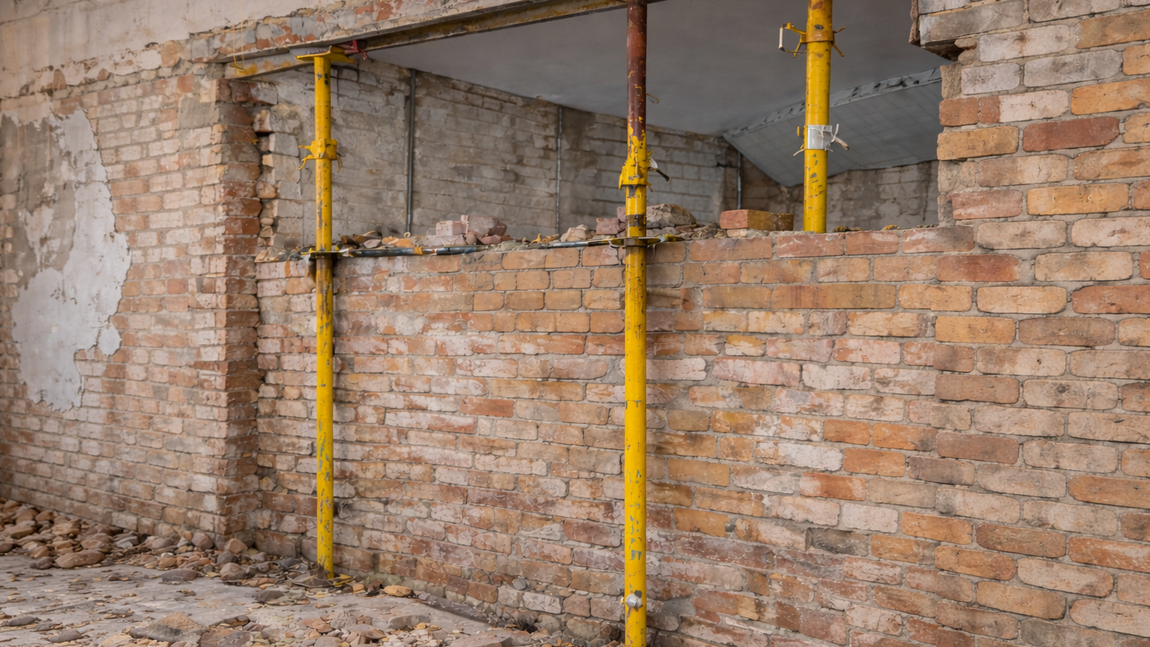
Wall tie problems are sometimes discovered during wider structural projects, such as internal wall removals or renovations. Addressing wall tie issues alongside other structural work can help ensure the building performs as intended.
Understanding Wall Ties Protects Your Home
Wall ties may be hidden from view, but they play a crucial role in the stability and safety of many UK homes. Knowing how they work and recognising the signs of failure can help homeowners take action before serious damage occurs.
If you live in an older property and have concerns about cracking or movement, seeking professional advice early is always the best step.